


Edwards Hart Consultants, welcomes the launch of new national sector guidance placing building pathology, professional competence and resident safety at the heart of damp and mould investigation.
The Chartered Institute of Housing and the Chartered Institute of Building have jointly published new guidance for the housing sector, Tackling damp and mould: Professional practice, cultural change and regulation in social housing. Launched in September 2026, the guide brings together housing management practice, technical building expertise and the latest legal and regulatory expectations, including Awaab’s Law and the Hazards in Social Housing (Prescribed Requirements) (England) Regulations 2025.
Professor John Edwards Director and Head of Building Consultancy at Edwards Hart, worked with the Chartered Institute of Building in the development of the guidance and made a substantial contribution, particularly in relation to the professional process for understanding moisture problems in buildings. The guide includes an overview of the diagnosis and inspection process developed by Professor Edwards, with section nine setting out a practical approach to understanding damp and mould and an inspection process built around a structured 10-stage analysis.
Professor Edwards said: “I am very impressed by this publication, which is both timely and much needed. It was a pleasure to work with the Chartered Institute of Building and the Chartered Institute of Housing in helping to produce such an important guide. Edwards added: Both organisations should be commended for recognising the importance of this subject and for bringing forward guidance that supports better understanding, better professional practice and better outcomes for residents.”
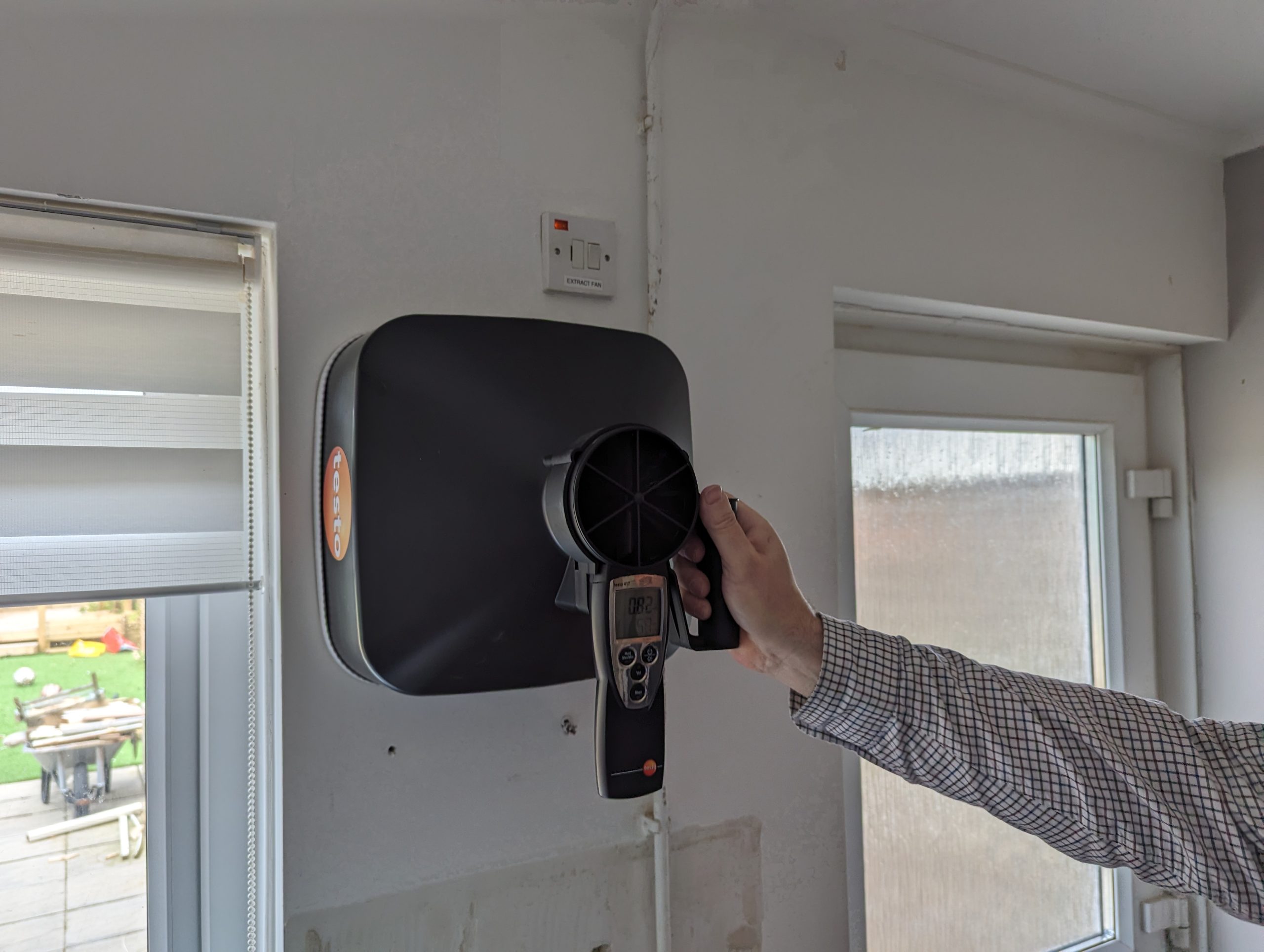
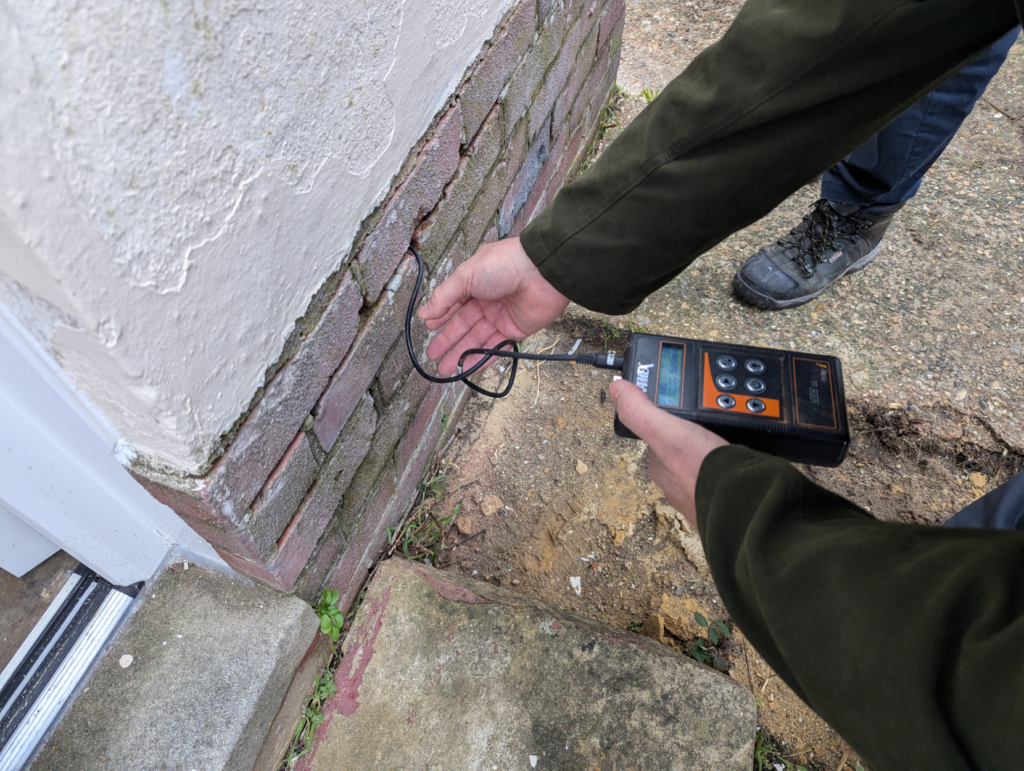
This is significant because damp, mould and condensation are rarely explained by a single factor. A sound investigation requires a building pathology approach: understanding the building as a system, considering its age, form of construction, condition, ventilation, heating, use, occupancy, maintenance history, defects and wider environmental conditions. The 10-stage process helps professionals move beyond visible symptoms and towards evidence-based diagnosis, root-cause analysis and proportionate remedial action.
The new guide reinforces a message that has long been central to the work of Edwards Hart Consultants and also its academy, ESC Learning: effective action on damp and mould depends on competence, consistency and careful professional judgement. Technical measures must be informed by proper investigation, while housing providers must also listen to residents, respond with empathy and ensure that problems are addressed in a way that protects health, homes and long-term building performance.
Professor Edwards also developed and delivers the ABBE Level 3 Award in Damp, Mould and Condensation in Buildings with ESC Learning. The qualification is Ofqual-regulated and is designed for professionals who need to assess, diagnose and report moisture-related issues in buildings. Building pathology sits at the centre of the course, enabling learners to investigate moisture problems, understand underlying causes and reach evidence-based conclusions.
The Level 3 Award is also referenced in the new guidance, underlining the importance of recognised training and professional competence in this area. Edwards Hart and ESC Learning considers it the most appropriate qualification for practitioners seeking a structured, technically robust and practical route into damp, mould and condensation investigation. It is understood to be 11 times more popular than any other course in the subject that leads to a real qualification in damp and mould, supporting housing professionals, surveyors, building inspectors, retrofit specialists and others involved in identifying and resolving moisture-related problems.
For Edwards Hart and ESC Learning, the publication of the CIH and CIOB guidance marks an important moment for the sector. It recognises that tackling damp and mould is not simply about reacting to complaints or applying standard remedies. It requires professional understanding, a clear investigative framework and the ability to interpret buildings properly. The contribution made by Professor Edwards to the guidance, and the availability of the Level 3 Award through ESC Learning, both support the sector in meeting that challenge.
Find out more: The ABBE Level 3 Award in Damp, Mould and Condensation in Buildings is available from ESC Learning for professionals who want to develop the knowledge and confidence to investigate moisture problems using a recognised building pathology approach.